
Test your application before the next release.
Find attack paths affecting accounts, data and critical workflows across web, mobile or desktop software.
You receive
Validated findings, reproducible evidence and prioritized fix guidance.
I test web, mobile and desktop applications and their APIs for the flaws scanners miss: broken access control, unsafe data handling, business logic and native-code bugs. You work directly with me, from scoping to the final walkthrough.
01Services
Pick the question. I will scope the smallest engagement that answers it.
Find attack paths affecting accounts, data and critical workflows across web, mobile or desktop software.
You receive
Validated findings, reproducible evidence and prioritized fix guidance.
Review a critical feature, inherited codebase or native component. Follow the data and permissions to understand the risk.
You receive
Code-level analysis, root causes and remediation options your developers can act on.
Cursor, Lovable, Bolt and similar tools write working code fast, and they often leave access checks out. I test authentication, data access and exposed keys before launch.
You receive
A short fix list in order of risk, with the exact code or configuration to change.
Develop SAST or DAST capabilities, extend a scanner or turn a research method into an evaluated implementation.
You receive
Detection components, architecture decisions and a repeatable evaluation.
02About
Scanners report symptoms. I trace each finding to the code that causes it and to a fix your developers can ship.
I wrote the patches behind two Linux kernel CVEs and seven more fixes now in mainline. On your product, each finding comes with the code path, the conditions that trigger it and a fix your team can review.
I have led web development and designed a DAST scanner from its architecture up. When I recommend a fix, I have already considered how your team will implement and test it.
I agree the scope with you, run every test myself and walk your developers through each finding.
03Expertise you can verify
01
Meta Bug BountyI reported security vulnerabilities in Facebook and Instagram through Meta’s bug bounty programme, and Meta’s security team validated and acknowledged seven of them. Also a researcher on the Bugcrowd platform.
02
Linux kernelA NULL-pointer dereference in Intel’s ice network driver and a 32-bit overflow in the JFS filesystem. Both fixes went into mainline Linux, and the ice fix was backported to stable kernels.
Fig. 01
Hendra · DASTFor my completed doctoral research at ITMO University, I developed Hendra’s architecture, scan planning, request deduplication, finding verification and evaluation framework. Application context guides which checks the scanner runs.
Recorded in my project research: DVWA at low security, under the tested tool configurations. F1 combines precision and recall. These figures describe this experiment, not a universal ranking or a production performance guarantee.
In the media
Watch my TV interview about Meta vulnerability research. Then examine the public findings, accepted fixes and scanner research that support my work.
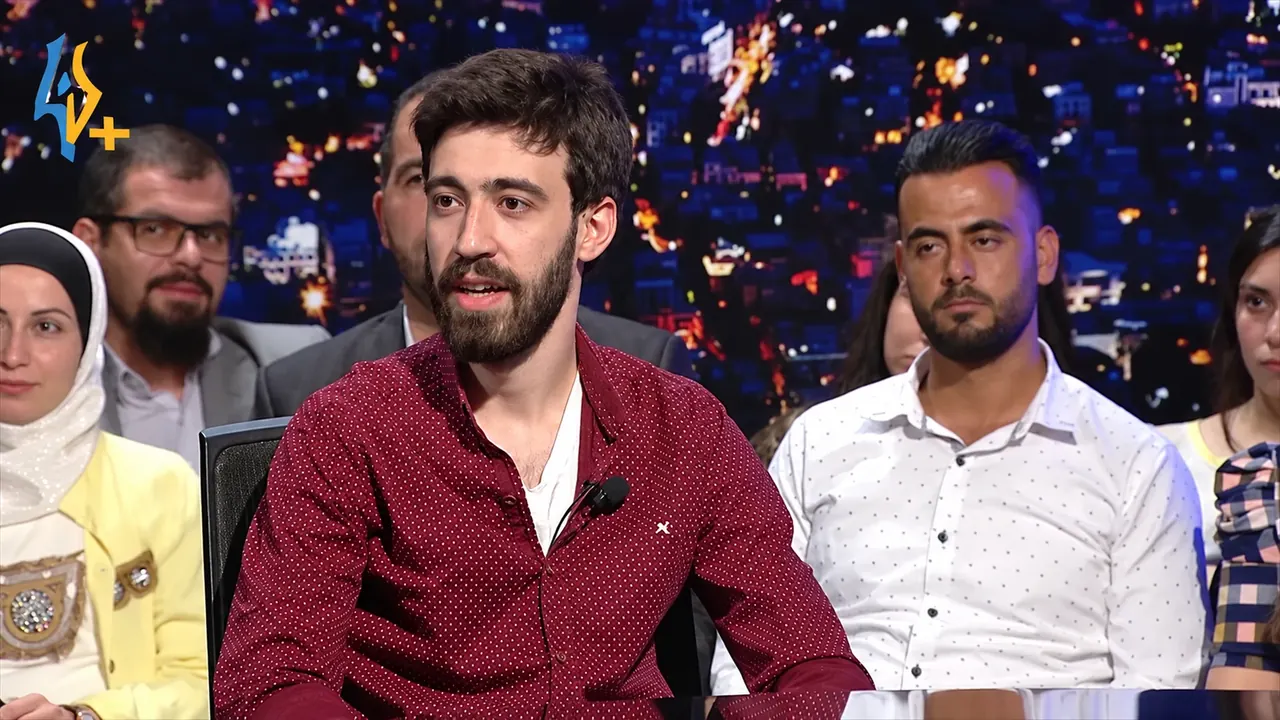 Watch the TV interview
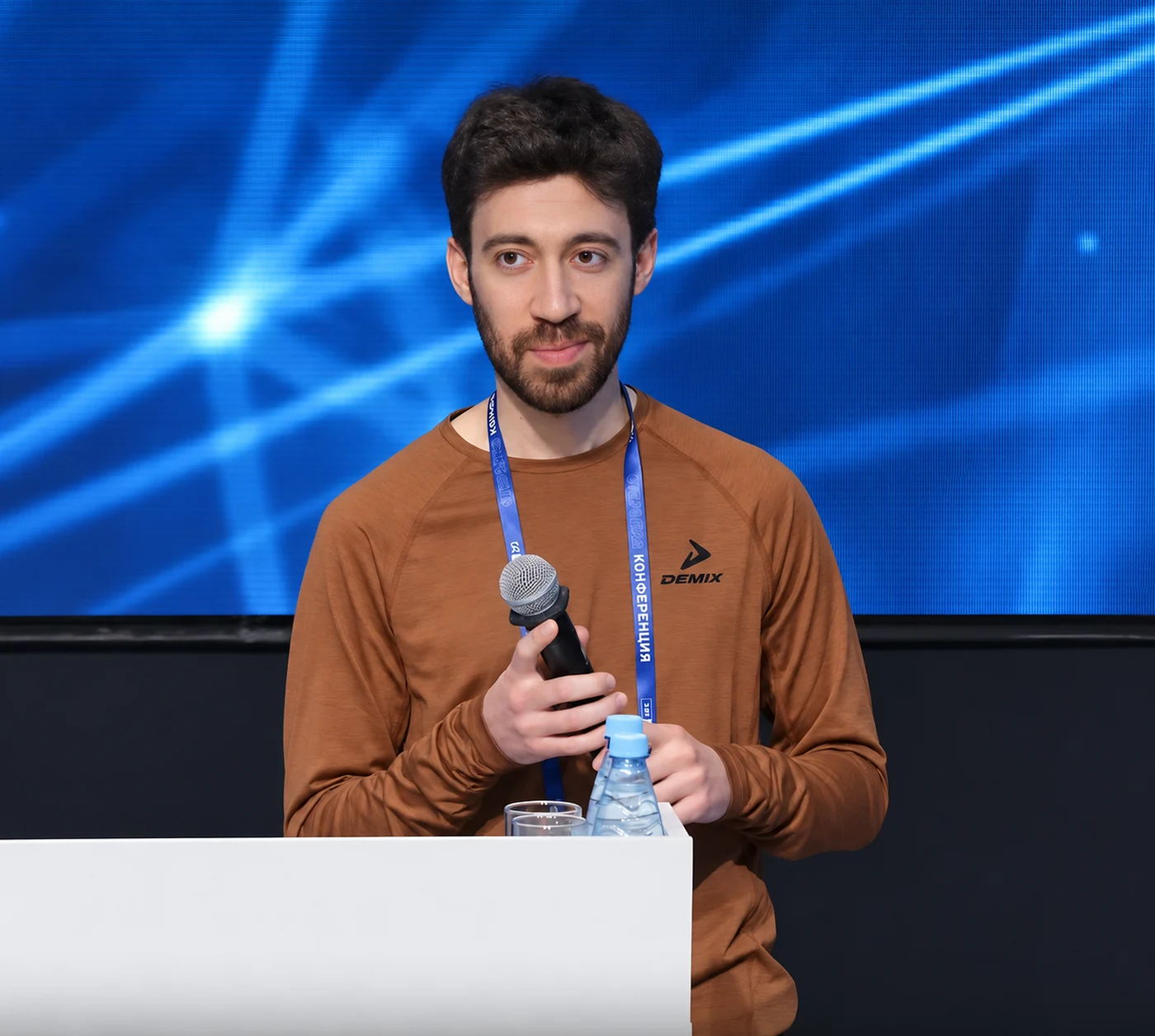
Conference speaker · ISP RAS Open 2024
At ISP RAS Open 2024, I presented my research on using machine learning to predict web-stack technologies beyond traditional fingerprints. My talk is listed in the official conference programme.
Predicting web-stack technologies with machine learning: beyond traditional fingerprints
A practical question behind application testing: what is the software actually built with?
View the conference programme04Services
Authentication, permissions, sensitive workflows and the application behind your API. My strongest and preferred area of practice.
View serviceThe application, its local data and its connection to backend services, with the platform and API boundaries agreed explicitly.
View serviceApplication code, libraries and components handling untrusted input. C, C++ and Java projects scoped around the risks that matter.
View service05From your first question to a useful result
The product, what changed, what you need to know and by when. A paragraph is enough, and I reply within three days.
Scope, method, exclusions, deliverables, price and dates. Confidentiality, NDA and retesting terms are agreed in the same proposal.
For assessments, you see evidence and priorities as they emerge. For engineering, you review the agreed milestones.
You receive the report or the delivered work and a walkthrough with your team. Any further fixes or verification are agreed with you.
06Tools & publications
For my completed doctoral research at ITMO University, I developed Hendra’s architecture, scan planning, request deduplication, finding verification and evaluation framework. Application context guides which checks the scanner runs.
Every HTTP(S) request should be necessary, non-redundant, and contextually relevant.
Security tool engineering spans architecture, detection logic and evaluation. I help teams turn a defined analysis problem into an implementation they can test, understand and extend.
Explore security tool developmentCombining learned signals and explicit rules to identify application technologies.
Reusing equivalent requests with attention to context and scanner state.
Representing endpoints, parameters and their relationships in an attack-surface graph.
Selecting checks using application context and detected technologies.
Examining response evidence to distinguish actionable findings from noise.
Comparing scanner outcomes on defined targets with repeatable measurements.
Hendra shows how I connect security research to working scanner components and measurable tests. That experience can support a custom tool, an existing security product or a focused evaluation.
07Blog
CVE explainers, code review patterns and practical guidance for people who build and own software.
Two unrelated systems both chose the character "*" to mean "nothing usable here." CVE-2026-123158 traces exactly how that collision bypasses OpenSSH password authentication on musl-based Linux, what a pinned-digest lab run did and did not confirm, and the one question it left open.
Read articleCISA added CVE-2026-111357 and CVE-2026-118527 to the KEV catalog two weeks after CVE-2026-104935. One closes a gap from the original piece. The other raises a question nobody has answered yet.
Read articleGitLab’s CVSS 10.0 and CISA’s KEV call this unauthenticated. The only two people who made it work needed a GitLab account first. Here’s why that matters.
Read article08Contact
Send me a short brief. I reply within three days with questions or a proposal outline, and the price is agreed in writing before work starts.